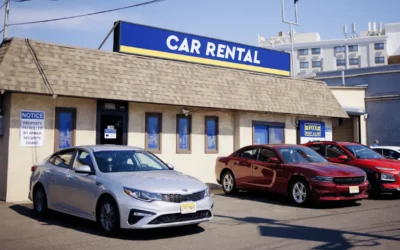
Rental cars today are no longer just mechanical vehicles handed over at a counter. Most modern fleets are connected systems that can record movement, driving behavior, and vehicle status. Among the most common concerns is whether rental cars track speed and location. In many cases, they do—through built-in telematics and GPS systems.
Location tracking systems in rental cars
Most new rental vehicles are equipped with GPS-based telematics technology. This system continuously records the vehicle’s location throughout the rental period.
The data is typically used for operational and security purposes:
- Vehicle recovery in case of theft
- Fleet movement coordination
- Route history for dispute resolution
- Emergency response support
Instead of live human surveillance, location data is stored in systems and accessed when required. This allows rental companies to reconstruct trips if needed, especially after incidents or violations.
The presence of factory-installed connected car systems has made location tracking more common than in older rental fleets.
Speed monitoring and driving behavior tracking
Speed is often recorded indirectly through onboard vehicle sensors connected to the engine control system. These systems capture driving patterns rather than focusing on continuous real-time observation.
Commonly recorded behaviors include:
- Speeding beyond legal limits
- Sudden acceleration
- Harsh braking
- Aggressive cornering
This type of data is usually processed to identify risk levels. Instead of tracking every second of driving, the system highlights events that exceed predefined safety thresholds.
The purpose is linked to risk management. Higher-risk driving patterns can increase accident probability, insurance claims, and vehicle maintenance costs. For this reason, speed-related data is frequently collected in modern fleets.
Why rental companies use tracking systems
Tracking is not limited to surveillance. It serves practical operational needs that support fleet management and vehicle protection.
Key reasons include:
- Theft prevention and asset recovery
- Insurance and liability management
- Maintenance planning based on usage patterns
- Monitoring of vehicle misuse or policy violations
These systems reduce uncertainty in large fleets where thousands of vehicles operate across different locations.
Real-time tracking vs stored data
A common misconception is constant live monitoring. In most cases, continuous human tracking does not occur. Instead, data is collected automatically and stored in centralized systems.
Real-time alerts may be triggered only in specific situations such as:
- Suspected theft or unauthorized movement
- Extreme speeding events
- Emergency assistance signals
Outside of these conditions, data is reviewed after the trip or when required for reporting.
Legal basis of tracking
Vehicle tracking in rental cars is generally legal because the vehicle remains the property of the rental company. Terms related to tracking are included in rental agreements, which act as consent for data collection.
The legal and operational justification is usually based on:
- Asset protection
- Insurance requirements
- Regulatory compliance
- Fleet efficiency
Conclusion
Most modern rental cars can track both location and speed through built-in telematics systems. The purpose is not continuous observation but structured data collection for safety, security, and operational control. Tracking systems work in the background, activating more directly only when unusual driving behavior or security risks are detected.