Luxury car rentals sit between convenience and experience. The service removes long-term ownership costs while still offering access to high-end vehicles for short periods. Demand is usually driven by context rather than daily utility, which makes timing the key factor in deciding whether it is worth it.
What Defines a Luxury Car Rental
Luxury rentals typically include premium sedans, sports cars, SUVs, and convertibles from manufacturers such as Mercedes-Benz, BMW, Audi, Lexus, Jaguar, and Porsche. These vehicles are built with higher-grade materials, improved ride quality, and more advanced driving systems compared to standard rental categories.
The category is not defined only by price. It is shaped by comfort levels, performance output, cabin refinement, and brand positioning.
When Luxury Car Rental Makes Sense
1. Event-based use cases
Luxury cars are most commonly justified during fixed-date events such as weddings, receptions, or milestone celebrations. These situations prioritize experience over utility.
Higher visual presence and cabin comfort become relevant because the vehicle contributes to the event setting rather than just transportation. In such cases, emotional value outweighs cost efficiency.
2. Corporate and business travel
Premium vehicles are often used in business environments where external perception matters. Airport pickups, client meetings, and corporate visits typically require a controlled impression.
The car functions as part of brand signaling. A refined vehicle reduces perceived friction in professional interactions and aligns with high-value service expectations.
3. Short-term evaluation before purchase
Luxury cars involve significant ownership costs, so rental is often used as a decision filter. Real-world exposure helps assess ride quality, maintenance feel, and usability under local driving conditions.
Specifications alone rarely reflect daily experience, so short-term use reduces uncertainty before financial commitment.
4. Travel and long-distance driving
Long journeys expose differences between standard and luxury vehicles more clearly. Suspension tuning, seat ergonomics, and cabin noise control become more relevant over distance.
Comfort systems and stability features reduce fatigue, especially on highways. The benefit becomes more noticeable outside city traffic conditions.
5. Temporary lifestyle upgrade
Luxury rentals are sometimes used without a functional requirement. In such cases, the value is linked to variation rather than necessity.
A different driving experience is introduced for a limited period without ownership obligations or depreciation concerns.
When It Becomes Less Justified
Luxury rentals lose value in certain conditions:
- Heavy urban traffic reduces performance advantages
- Short-distance commuting does not utilize comfort features fully
- Budget constraints increase opportunity cost significantly
- Functional transport needs override experiential benefits
In these cases, standard rentals typically offer better efficiency.
Practical Factors Before Renting
Cost structure
Rental charges often extend beyond base pricing. Security deposits, insurance add-ons, and fuel requirements can significantly change total cost.
Eligibility conditions
Minimum age thresholds and driving history requirements are commonly enforced. These filters reduce risk for rental providers.
Mileage restrictions
Daily or total mileage caps are standard in premium segments. Exceeding limits results in additional charges.
Insurance coverage
Coverage terms vary widely. Small damages in luxury vehicles may result in disproportionately high repair costs if not fully insured.
Common Categories in Luxury Rentals
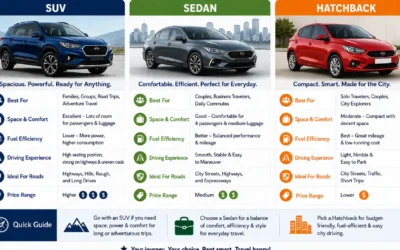
- Premium sedans: Balanced option for comfort and business travel
- Sports cars: Performance-focused, often used for short experiences
- Luxury SUVs: Practical for group travel and long routes
- Convertibles: Selected for scenic and leisure-oriented driving
Conclusion
Luxury car rental becomes rational when context adds value beyond transportation. Events, business presence, long-distance comfort, and short-term evaluation are the primary triggers.
Outside these conditions, the cost-to-benefit balance shifts toward standard vehicle categories. The decision usually depends less on desire and more on situational relevance.