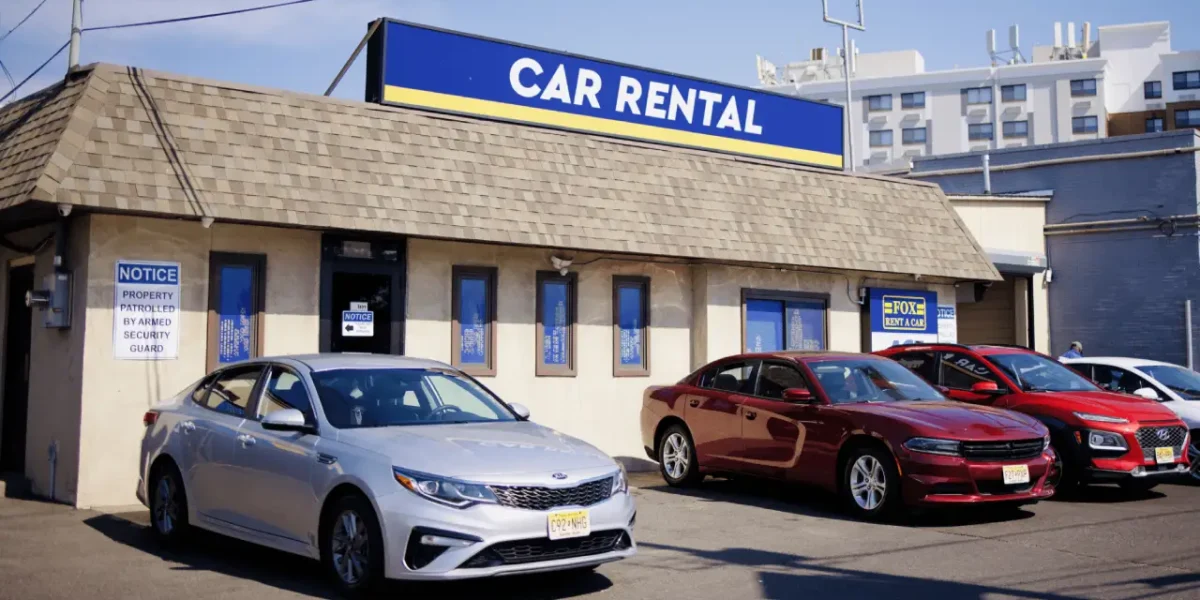
Rental car pricing does not stay fixed. Rates move up and down based on demand, availability, and timing. Understanding these shifts helps in identifying when prices naturally fall and when they rise sharply.
Why rental car prices change
Rental companies use dynamic pricing systems. Rates adjust automatically depending on how many vehicles are available and how many customers are searching at a given moment. When demand increases, prices rise because inventory becomes limited. When demand slows, prices drop to keep vehicles moving.
Major providers such as Hertz, Enterprise Rent-A-Car, Avis Budget Group, and Sixt rely on similar systems. Pricing models react to flight arrivals, hotel occupancy, local events, and fleet availability across branches.
This creates constant movement in rates rather than stable pricing.
Weekly timing and price behavior
Midweek periods often show lower rental prices. Demand tends to weaken on Tuesdays and Wednesdays because most bookings for weekend travel have already been made earlier.
Weekend periods usually carry higher rates. Demand concentrates around Friday and Saturday due to short trips and leisure travel patterns.
The lowest price point often appears when booking activity slows but fleet availability remains high. That balance usually forms during midweek hours.
Booking window and optimal timing
Rental prices follow a predictable curve based on how far in advance booking occurs.
- Very early booking (months ahead) may reflect projected demand rather than actual availability. Rates can stay elevated.
- Very late booking (a few days before pickup) often shows higher prices due to limited remaining vehicles.
- Moderate booking window (around 1–3 weeks before pickup) tends to show the most balanced pricing.
During this period, unsold inventory still exists, and companies begin adjusting rates downward to improve utilization.
Peak travel periods break this pattern. Holiday seasons and summer months often require earlier booking because demand fills inventory faster than normal.
Seasonal effects on rental prices
Rental rates shift strongly with seasons.
Low-demand periods such as late winter and early autumn generally produce cheaper prices. Lower travel activity reduces pressure on fleets, so companies reduce rates to maintain utilization.
High-demand seasons such as summer holidays and year-end travel periods show the opposite effect. Limited availability leads to higher average pricing.
Between these extremes, shoulder seasons create unstable pricing. Small changes in demand can trigger either discounts or sudden increases.
Last-minute pricing behavior
Last-minute bookings can lead to lower prices in certain markets. When vehicles remain idle close to pickup dates, companies may reduce rates to avoid unused inventory.
However, this pattern does not stay consistent. In high-demand locations, last-minute prices often increase due to scarcity. Vehicle choice also becomes limited at this stage.
This creates a risk-based pricing environment where discounts depend heavily on local supply conditions.
Pickup location influence
Airport locations generally show higher prices. Additional fees, higher demand, and convenience factors contribute to elevated rates.
City-based branches often maintain lower base pricing. Lower footfall and higher competition between outlets contribute to price reductions.
Location selection therefore becomes a structural factor in cost differences rather than a minor detail.
Price movement patterns in practice
Rental pricing does not follow a single rule. Instead, multiple variables interact at the same time:
- Demand spikes push prices upward
- Fleet availability pulls prices downward
- Seasonal travel sets the baseline
- Local events create short-term surges
Because of this combination, identical vehicles may show different prices within short time intervals.
Conclusion
Cheapest rental car prices usually appear when demand weakens but fleet supply remains stable. Midweek periods, off-peak seasons, and moderate booking windows tend to align with lower rates. Price drops occur when companies adjust inventory levels rather than when a fixed “discount period” arrives.
Understanding these patterns creates a clearer view of how rental pricing behaves across time and demand cycles.